The Ultimate Guide to Conversion Rate Optimization for DTC Shopify Brands


Understanding Conversion Rate Optimization (CRO)
Conversion Rate Optimization (CRO) is an essential strategy for Direct-to-Consumer (DTC) Shopify brands aiming to maximize their online sales. It involves enhancing your website to encourage visitors to take specific actions, such as making a purchase or signing up for a newsletter. By focusing on CRO, brands can improve their return on investment (ROI) and build a more loyal customer base.

Identifying Key Metrics
Before diving into optimization techniques, it's crucial to understand the key metrics that influence your conversion rate. These include the bounce rate, average session duration, and cart abandonment rate. Monitoring these metrics helps you identify areas needing improvement and track the effectiveness of your optimization efforts.
Bounce Rate
A high bounce rate indicates that visitors leave your site without engaging further. This could be due to slow loading times, confusing navigation, or irrelevant content. Addressing these issues can significantly enhance user experience and lower the bounce rate.

Enhancing User Experience (UX)
The user experience is a critical component of CRO. A seamless and enjoyable shopping experience can lead to higher conversion rates. Focus on intuitive navigation, fast loading speeds, and mobile optimization to ensure a smooth journey for your visitors.
Mobile Optimization
With an increasing number of consumers shopping on mobile devices, ensuring your Shopify store is mobile-friendly is crucial. A responsive design, easy-to-click buttons, and simplified checkout processes can drastically improve mobile conversions.

Leveraging Social Proof
Social proof, such as customer reviews and testimonials, plays a significant role in building trust and credibility. Displaying positive feedback prominently on your product pages can reassure potential customers and encourage them to complete a purchase.
Incorporating User-Generated Content
Encourage satisfied customers to share their experiences or photos using your products. This user-generated content can be a powerful motivator for new customers, showing real-life applications and satisfied users of your brand.

Optimizing the Checkout Process
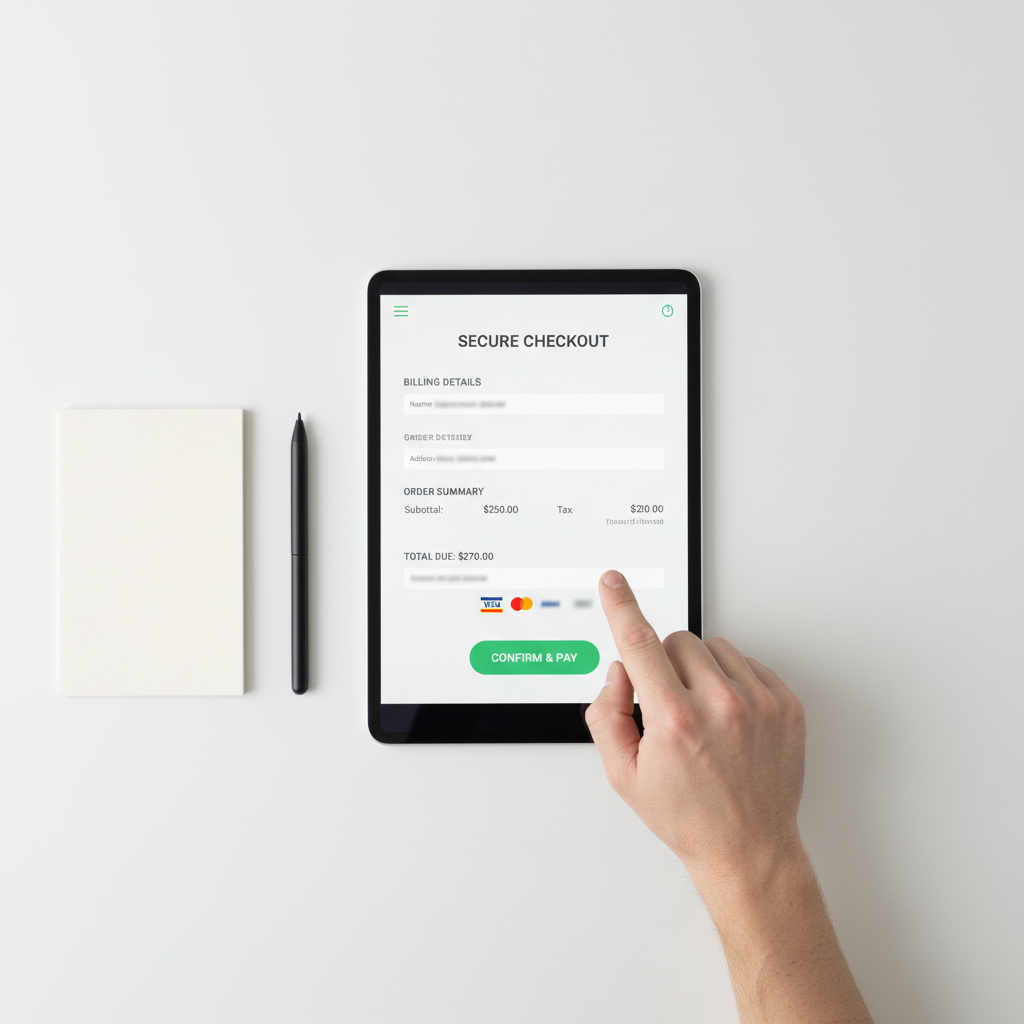
The checkout process is often where potential customers abandon their carts. Simplifying this process can reduce cart abandonment rates. Consider offering guest checkout options, a variety of payment methods, and displaying trust signals like security badges.
Streamlining Payment Options
Offering multiple payment gateways, such as credit cards, PayPal, and digital wallets, can cater to different customer preferences and ease the checkout process, further boosting conversions.
Continuous Testing and Analysis
Conversion optimization is an ongoing process. Regularly conducting A/B tests on different elements of your website, such as headlines, images, and call-to-action buttons, can provide valuable insights into what resonates best with your audience.
Analyzing Test Results
After running tests, analyze the results to determine which changes led to improvements. Use these insights to make data-driven decisions and continuously refine your strategies for optimal performance.