How to Evaluate the Effectiveness of Your Advertising Strategy for a DTC Brand


Evaluating the effectiveness of your advertising strategy is crucial for any Direct-to-Consumer (DTC) brand aiming to maximize its impact. With a well-structured approach, you can identify what works and what doesn't, allowing you to refine your strategies for better results.
Define Clear Objectives
Before you can evaluate your advertising strategy, you need to establish clear objectives. Are you aiming to increase brand awareness, drive website traffic, or boost sales? Each goal will require different metrics for evaluation. Clearly defined objectives serve as a roadmap for your evaluation process.
Once objectives are set, determine the key performance indicators (KPIs) that align with these objectives. For example, if your goal is to drive website traffic, focus on metrics like click-through rates (CTR) and unique visitors.

Leverage Analytics Tools
Data-driven insights are essential for evaluating your advertising strategy. Utilize analytics tools such as Google Analytics, Facebook Insights, or other platform-specific tools to gather data. These tools provide comprehensive reports on various metrics, enabling you to assess performance effectively.
By analyzing this data, you can identify patterns and trends that indicate the success or failure of your campaigns. Look for metrics such as conversion rates, bounce rates, and customer acquisition costs to understand how well your strategy is performing.

Conduct A/B Testing
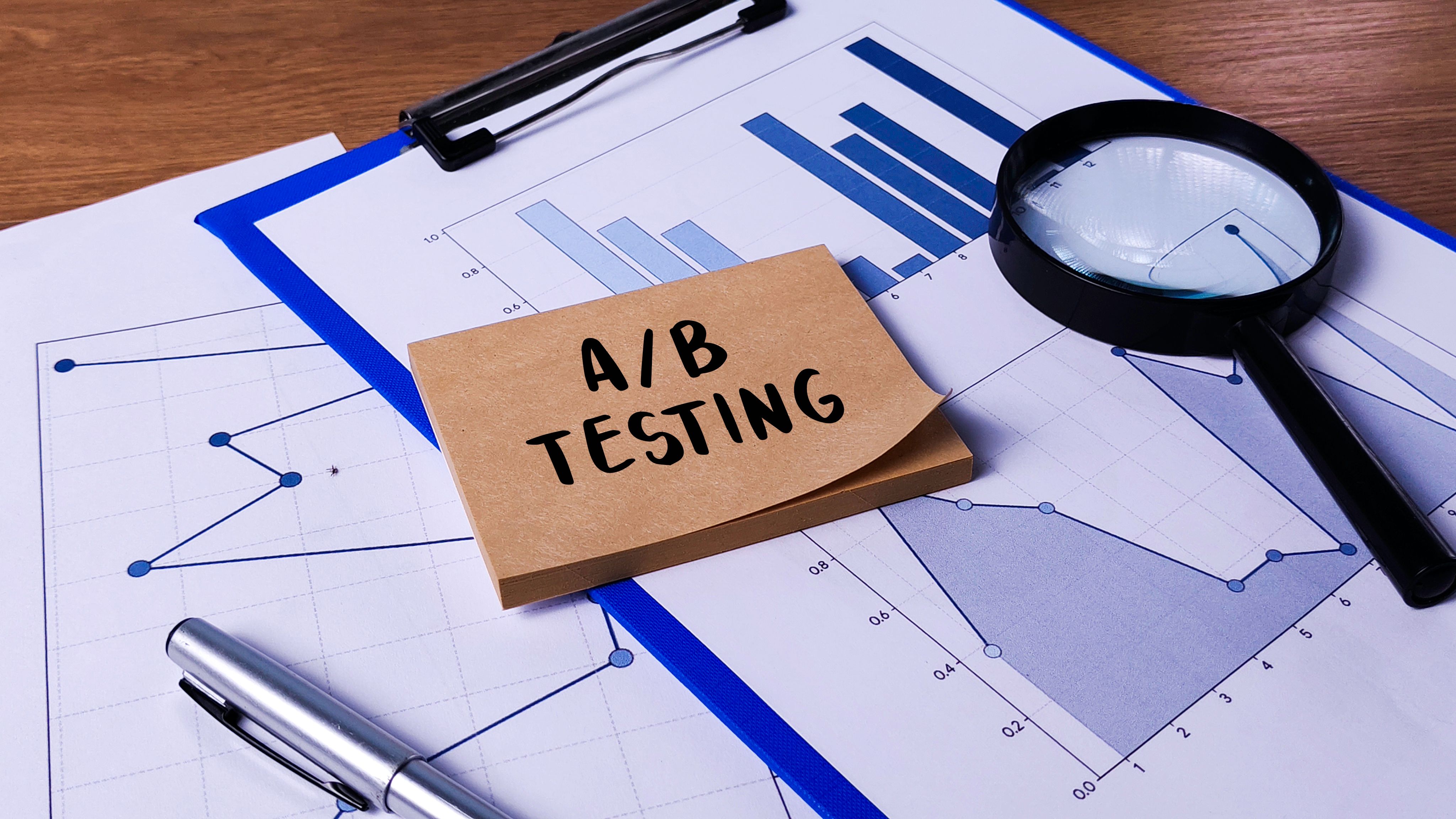
A/B testing is a powerful method to evaluate different elements of your advertising strategy. By creating two versions of an ad with slight variations, you can determine which performs better and why. This could involve changes in ad copy, images, or call-to-action buttons.
Implementing A/B tests allows you to make data-driven decisions based on real customer interactions. Continually testing and refining your ads will lead to more effective campaigns over time.
Gather Customer Feedback
Customer feedback is invaluable when evaluating your advertising strategy. Engaging directly with your audience through surveys, reviews, or social media interactions can provide insights into how your ads are perceived. This feedback can highlight areas for improvement and validate successful tactics.
Consider using tools like Net Promoter Score (NPS) surveys to gauge customer satisfaction and loyalty. This information can guide you in fine-tuning your messaging and approach.
Monitor Competitor Strategies
Understanding how your competitors are advertising can provide valuable context for your own strategy. Analyze their campaigns to identify strengths and weaknesses. Tools like SEMrush or Ahrefs can help you track competitor ads and discover opportunities for differentiation.
By staying informed about industry trends and competitor tactics, you can ensure your advertising strategy remains competitive and effective.

Review ROI and Adjust Accordingly
Ultimately, the effectiveness of your advertising strategy comes down to return on investment (ROI). Calculate the ROI of your campaigns by comparing the revenue generated to the costs incurred. A positive ROI indicates a successful strategy, while a negative ROI signals the need for adjustments.
Regularly reviewing and adjusting your strategy based on ROI ensures that your advertising efforts align with your business goals and drive growth for your DTC brand.